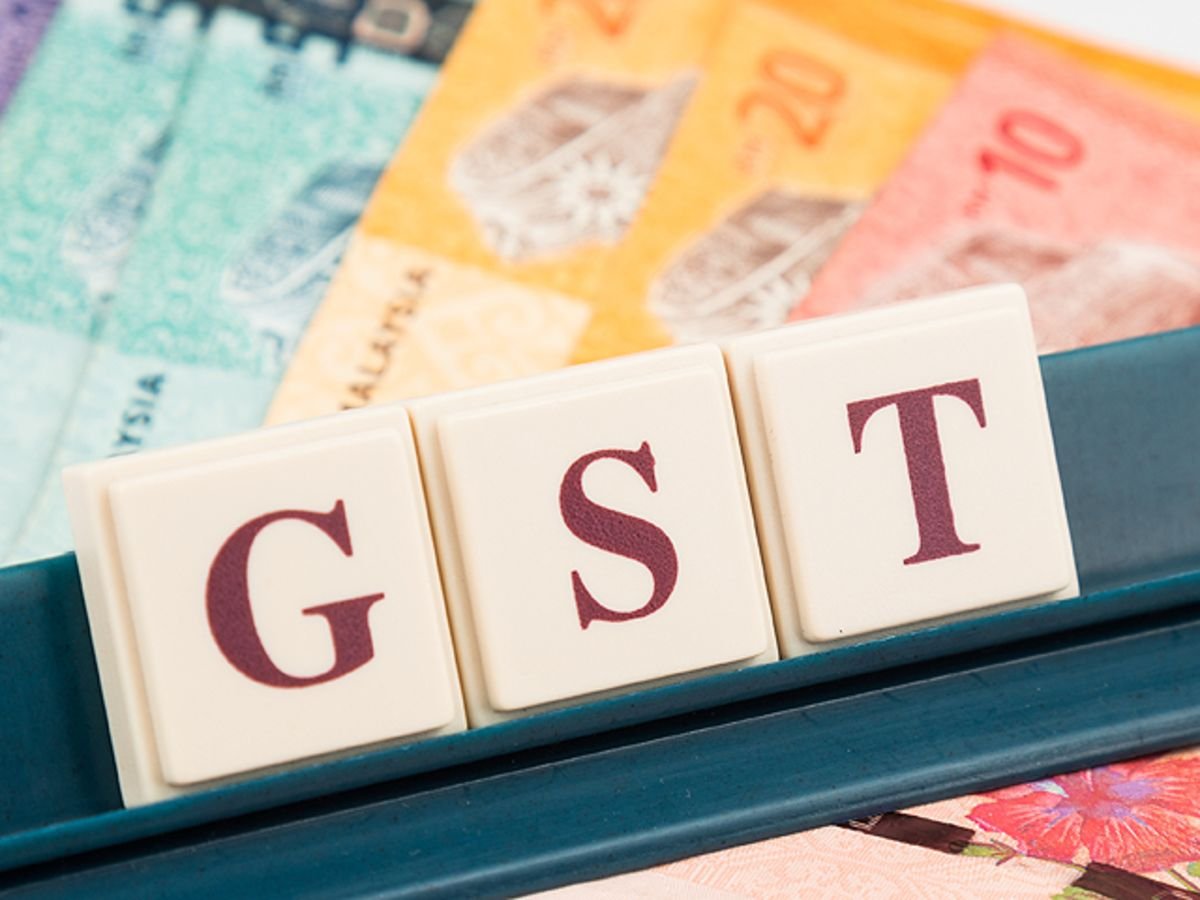
In the new version of GST, changes have been proposed to simplify the slabs, format and refund and registration of businessmen. However, nothing has been said in this proposal about ending the practice of sending notices to businessmen for minor mistakes and then making them visit GST officers and offices. Businessmen and GST experts say that this is the biggest problem for them and they will not get relief without solving it.
Businessmen said that many times they make minor mistakes while filing GST returns.
There is nothing in the new law about the practice of sending notices for minor mistakes and making rounds of offices Experts said – the matter is not settled without going to the officer, the machine checks the return.
There is no mention of the solution of notices related to returns in the package of the proposed new version of GST. The government should first see if a mistake is found in the return whether this matter is worth giving a notice or not. Eliminate errors related to returns Many times there is a mistake in calculating input tax credit (ITC) due to other traders. Many times they are able to pay only a little less GST than the liability. They get notices for these small mistakes and they or their chartered accountant have to go personally and explain to the officer. Such notices should be sent to hundreds of traders.
A campaign should be run to make traders aware about this. Not settling the cases of notices increases litigation and creates a situation of uncertainty for both the businessman and the department. Vivek Johri, former chairman, Central Board of Indirect Taxes and Customs ST.
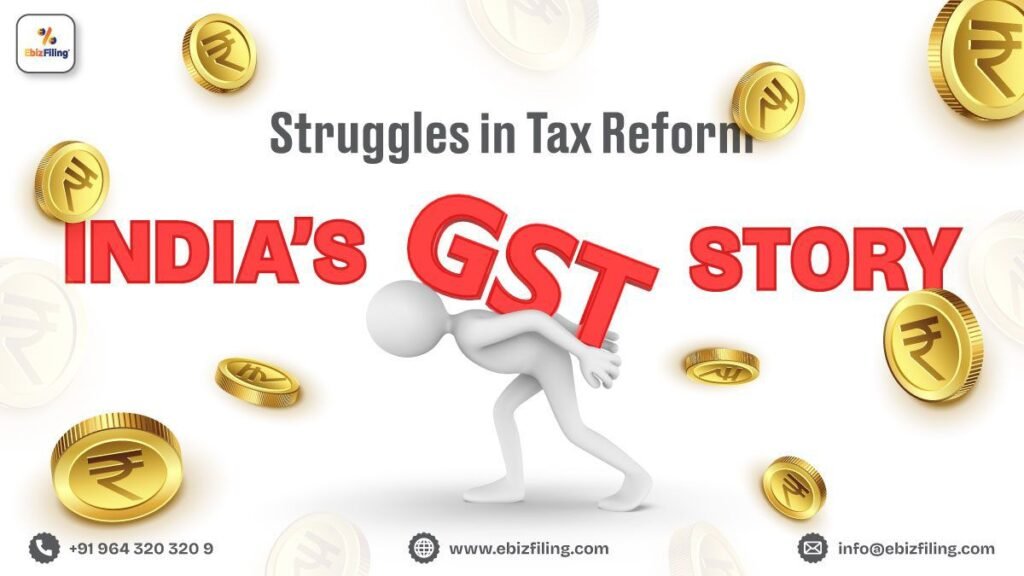
There is a problem in getting ITC
Traders told that they get input tax credit (ITC) only when the other businessman doing business with them files his GST return. Many times the businessman with whom they have done business delays in filing GST returns or does not file the return, then their ITC gets stuck.
GST expert and chartered accountant (CA) Praveen Sharma said that if the businessman receives the notice by mail or through post, then
Wait till Diwali to buy a small car
If the buyers of small cars wait till Diwali this year, they will benefit. As per the announcement of the Prime Minister on 15th August, GST rates are going to change from Diwali this year. As per the proposal, GST on small cars will be reduced by up to 10 percent. Currently, 28 percent GST and cess are levied on small cars as well. After the new version of GST, only 18 percent GST will be levied on small cars. Auto dealers say that 18 percent GST will be levied on cars with engine capacity of less than 1200 cc. These include many cars of Maruti Suzuki and also cars of Hyundai and Tata. Car dealers said that after 18 percent GST, there can be a relief of 50-60 thousand rupees in the price of entry level cars. At present, GST and cess combined tax of 50% is levied on vehicles with engine capacity of 1200 to 1500 cc. In the new version of GST, 40% tax is proposed on such vehicles. However, states are demanding additional cess on such vehicles.
If we send a reply, the officers do not read it. The matter cannot be settled without going to the officer. The penalty on the businessman keeps increasing until the matter of liability is not settled. Experts say that the machine checks the businessman’s returns and in case of even a small mistake, the machine sends a notice to the businessman.
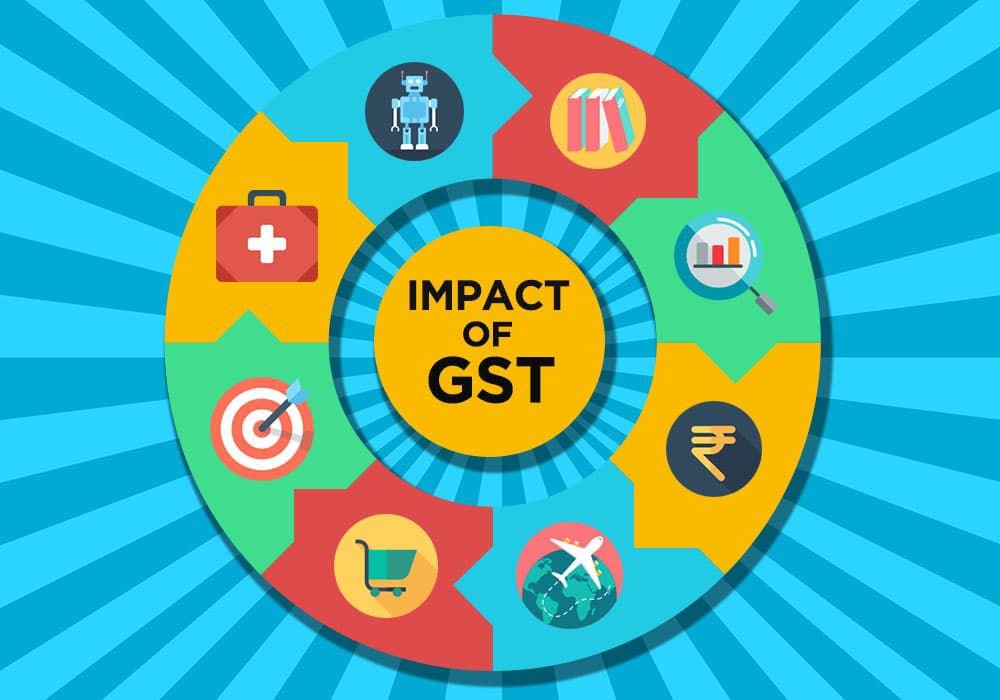
About the GST
GST is known as the Goods and Services Tax. It is an indirect tax which has replaced many indirect taxes in India such as the excise duty, VAT, services tax, etc. The Goods and Service Tax Act was passed in the Parliament on 29th March 2017 and came into effect on 1st July 2017.
The GST journey began in the year 2000 when a committee was set up to draft law. It took 17 years from then for the Law to evolve. In 2017, the GST Bill was passed in the Lok Sabha and Rajya Sabha. On 1st July 2017, the GST Law came into force.
GST has mainly removed the cascading effect on the sale of goods and services. Removal of the cascading effect has impacted the cost of goods. Since the GST regime eliminates the tax on tax, the cost of goods decreases.
Also, GST is mainly technologically driven. All the activities like registration, return filing, application for refund and response to notice need to be done online on the GST portal, which accelerates the processes.
Types of GST
- CGST: It is the tax collected by the Central Government on an intra-state sale (e.g., a transaction happening within Maharashtra)
- SGST/UTGST: It is the tax collected by the state government/Union Territories on an intra-state sale (e.g., a transaction happening within Maharashtra)
- IGST: It is a tax collected by the Central Government for an inter-state sale (e.g., Maharashtra to Tamil Nadu).
Read these articles
Nisar satellite
https://thenewspoint.in/?p=3588
Ind vs Eng
https://thenewspoint.in/india-vs-eng-those-extraordinary-53-balls-shubman/
First time will china visit of Modi after galwan conflict
https://thenewspoint.in/pm-modi-will-visit-china-for-the-first-time-after1/
Chat gpt 5 latest version
https://thenewspoint.in/chatgpts-latest-version-gpt-5-claims-phd-level/
Galaxy Z fold 7
https://thenewspoint.in/gadget-review-galaxy-z-fold-7-unique-model-of-sam/