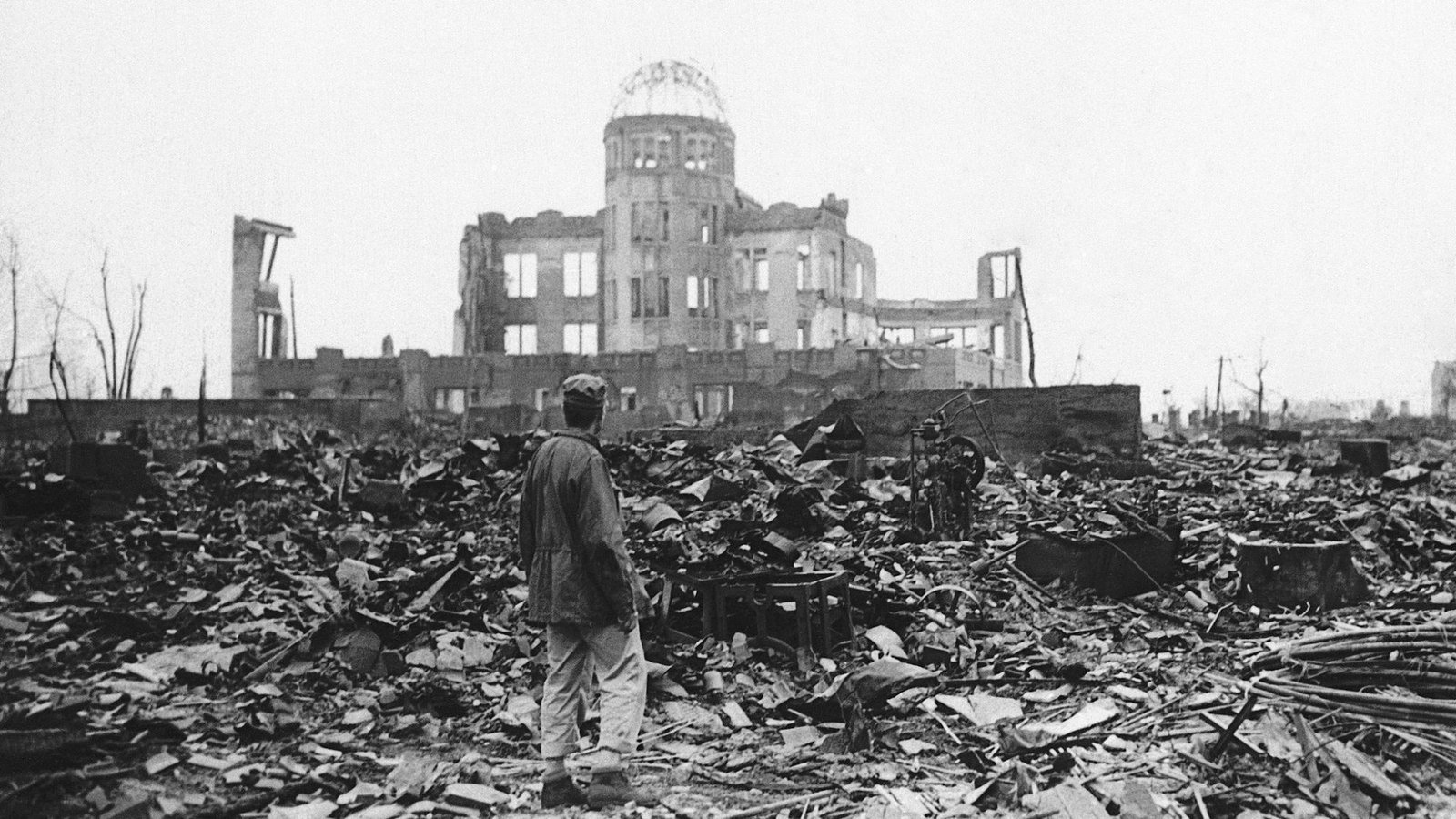
Today, we are launching a new series called “Spotlight Stories.” In this series, we discuss the horrific attack that claimed 200,000 lives, an unimaginable tragedy for Japan and the entire world, which Japan still cannot forget.
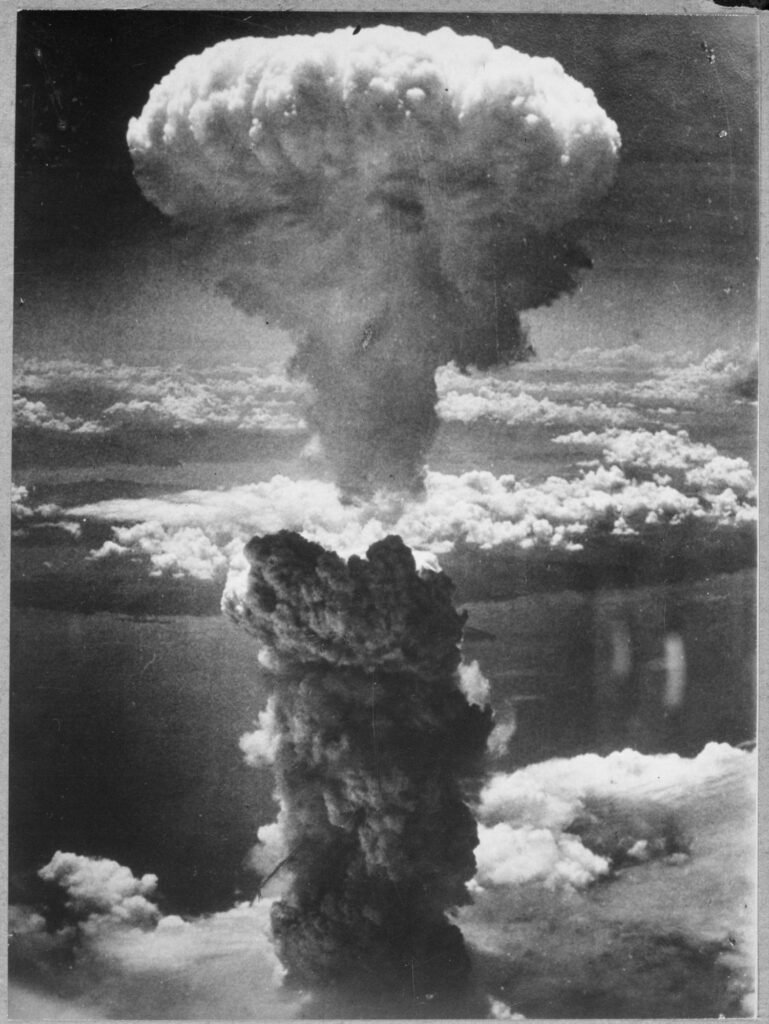
By 1945, the Second World War, which began in 1939, had raged for six long years with no end in sight. Japan, a formidable power at the time, was relentlessly pressing its attacks during the conflict. To halt its advance, the United States made a devastating decision, dropping an atomic bomb on Hiroshima, inflicting a wound Japan would never forget. The U.S. unleashed “Little Boy” on Hiroshima and “Fat Man” on Nagasaki. On August 6, 1945, Hiroshima was struck, followed three days later, on August 9, by the bombing of Nagasaki. These attacks claimed countless lives—hundreds of thousands perished, and many more suffered unimaginable horrors. In the aftermath, survivors faced another nightmare: the radioactive “black rain” that poisoned those it touched.
What happened after the atomic bomb fell?
The atomic bomb dropped on Hiroshima had a devastating impact, wiping out 40,000 lives in an instant. The effects of the nuclear attack were so severe that even nearby cities suffered for years, with children born disabled due to lingering radiation.
Seeing two of its cities reduced to ashes, Japan finally surrendered to the United States, bringing an end to World War II. The roots of this tragedy trace back to the war, when the Japanese military attacked the U.S. naval base at Pearl Harbor. In response, America unleashed the atomic bombs on Hiroshima and Nagasaki.
What happened in Japan on August 6 and 9, 1945?
By 1945, World War II, which started in 1939, was reaching a critical point, but Japan’s attacks showed no signs of stopping. In a move that shocked the world and left a scar no one would ever want to witness again, the United States took a drastic step. On the morning of August 6, 1945, around 8 a.m., an atomic bomb struck Hiroshima with unimaginable force. In mere moments, over 80,000 people lost their lives. The explosion was so intense that its heat incinerated people instantly, and within a minute, 80 percent of Hiroshima was reduced to ashes. The devastation didn’t end there. Thousands more died later from radiation-related illnesses. A study revealed that a toxic “black rain” fell across a 29-kilometer radius from the blast site, causing more deaths and poisoning everything it touched.
Before Japan could even begin to recover from the horror in Hiroshima, another tragedy struck. On August 9, 1945, at around 11 a.m., a second, even more powerful atomic bomb hit Nagasaki. This attack claimed over 40,000 lives. In both cities, thousands more perished due to radiation exposure and the deadly black rain that followed the explosions.
The atomic bombs dropped on Hiroshima and Nagasaki were seen as America’s response to Japan’s 1941 attack on the U.S. naval base at Pearl Harbor. The U.S. hoped the bombings would force Japan to surrender. Six days after the Nagasaki attack, Japan announced its unconditional surrender, and with that, World War II officially came to an end.
Is there still radiation in Hiroshima and Nagasaki today?
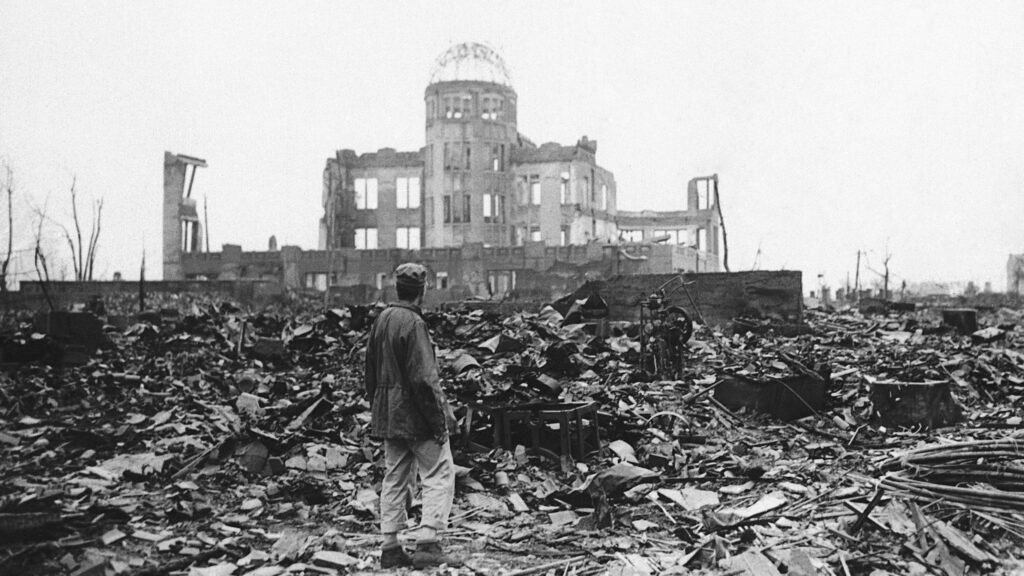
Radioactive materials lose their harmful effects over time through a process called half-life, where their radioactivity weakens. The time this takes depends on the material—sometimes it’s just seconds, other times it can take decades. So, are Hiroshima and Nagasaki still radioactive? No, they aren’t. After the atomic bomb explosions in 1945, residual radiation was present in both cities, but it quickly faded due to the short half-life of the materials used. Today, Hiroshima and Nagasaki are safe, with no significant radiation left from those heartbreaking events
Why did America carry out these attacks?
During World War II, the Japanese military attacked the U.S. naval base at Pearl Harbor. In response, the United States dropped atomic bombs on Hiroshima and Nagasaki. These devastating attacks created intense heat, reaching temperatures of 4,000 degrees Celsius, leaving unimaginable destruction in both cities.
“Little Boy” Dropped at Exactly 8:15 AM
The atomic bomb called Little Boy was dropped at precisely 8:15 AM, taking 43 seconds to reach its target. It exploded about 250 meters off course from the Aioi Bridge, above the Shima Surgical Clinic. The bomb’s power was equal to 12,500 tons of TNT, and when it detonated, the temperature soared to a staggering one million degrees Celsius in an instant.
Children Born Disabled for Years After the Attack
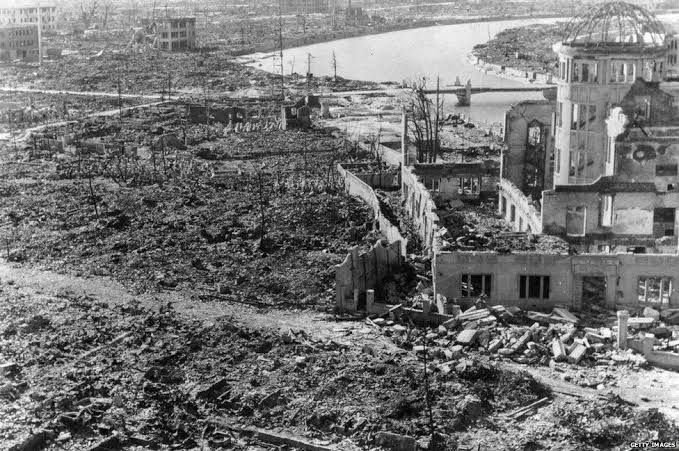
The few survivors of this horrific attack were left with their bodies terribly scarred and torn. The atomic bomb explosion destroyed 70,000 out of the city’s 76,000 homes, reducing them to rubble. Even years later, the deadly radiation from the blast caused many children to be born with disabilities.
Nagasaki Wasn’t Supposed to Be Bombed
The United States had initially prepared a list of four cities to target with the atomic bomb: Hiroshima, Kokura, Kyoto, and Niigata. However, War Secretary Stimson later removed Kyoto from the list and replaced it with Nagasaki. This last-minute change sealed the fate of Nagasaki, leading to the devastating nuclear attack that followed.
That Day Is Still Remembered Today
The atomic bomb attacks on Hiroshima and Nagasaki on August 6 and 9, 1945, shook the entire world. In Japan, August 6 is still solemnly remembered each year. The people of these cities honor this day with the heartfelt hope that nuclear weapons will never be used again. Every year, during the anniversary of this tragic attack, the eyes of Japanese citizens well up with tears as they reflect on the immense loss. In 2025, the world will mark the 80th anniversary of the Hiroshima and Nagasaki bombings. Amid the ongoing global challenges, including the lingering effects of the coronavirus pandemic, people attending Hiroshima Day events this year have been urged to follow social distancing guidelines and wear masks to stay safe while commemorating this somber milestone.
The World Witnessed the Power of the Atomic Bomb
In human history, an atomic bomb has been used to attack a city or country only twice. During World War II, the United States dropped atomic bombs on Japan, reducing two of its cities, Hiroshima and Nagasaki, to ruins. In an instant, countless lives were lost, with thousands killed in a single moment. Bodies lay scattered everywhere, a heartbreaking sight. The world’s most destructive war came to an end, but this was not the end of devastation—it was just the beginning. The world had now seen what an atomic bomb was and grasped its terrifying power.
Japan pledged not to make nuclear weapons
After suffering the horrors of nuclear devastation, Japan pledged to use nuclear energy only for peaceful purposes and to never build a nuclear bomb. However, the global race for nuclear arms continues. Each year, the number of nuclear weapons increases. In 2020, there were 3,720 deployed nuclear bombs worldwide. By 2021, this number rose to 3,825. The countries considered to be part of the nuclear race include the United States, Russia, the United Kingdom, France, China, India, Pakistan, Israel, and North Korea.
Read this news article
Indias cricket team biggest overseas victory
https://thenewspoint.in/ind-vs-englandindias -biggest-overseas-victory/
The first look of Ramayana has been realised
https://thenewspoint.in/the-first-look-of -ramayana-has-been-released/
Who is Dalai Lama
https://thenewspoint.in/who-is-the-dalai-lama -and-why-is-there-a-dispute/
Thailand pm suspended after leaked call
https://thenewspoint.in/thailand-pm-shinawatra-suspended-after-leaked-call/
Know about 5g technology
https://thenewspoint.in/5g-technology-how-5g -is-changing-the-world/