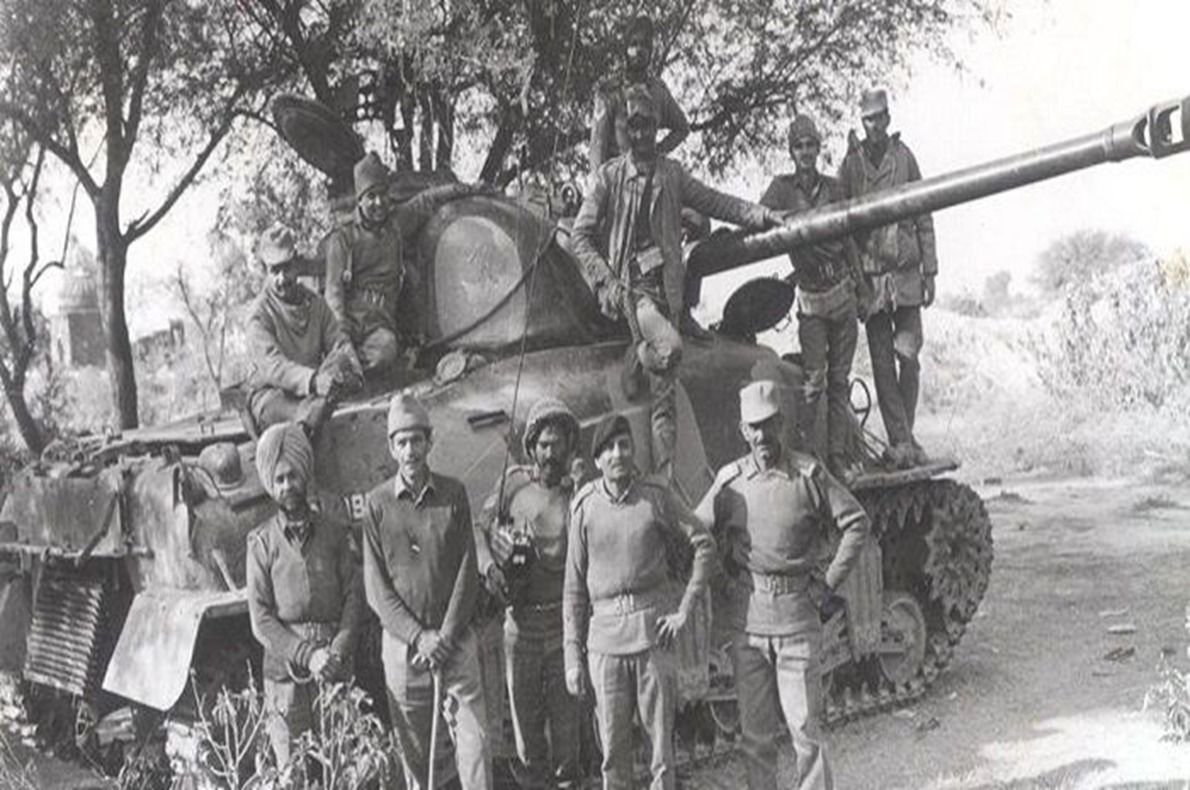
The 1971 India-Pakistan War stands as a defining moment in South Asia, reshaping the region’s geopolitical landscape and giving birth to a new nation—Bangladesh. This intense conflict, driven by deep-seated political, cultural, and humanitarian issues, was more than just a military clash; it was a struggle for identity, justice, and survival.
Roots of the Conflict
The seeds of the 1971 war were sown long before the first shots were fired, rooted in historical divisions and growing tensions.
The Legacy of Partition
- Division of 1947: When British India split into India and Pakistan, the latter emerged as two geographically and culturally distinct regions: West Pakistan (modern-day Pakistan) and East Pakistan (now Bangladesh), separated by over 1,000 miles of Indian territory.
- Cultural and Economic Divide: Despite East Pakistan’s larger population, it was politically and economically sidelined by West Pakistan’s ruling elite, fostering resentment and a sense of neglect.
- Growing Discontent: The stark differences in language, culture, and economic opportunities between the two regions created a powder keg of frustration, particularly in East Pakistan.
Political Tensions Boil Over
- 1970 Elections: The Awami League, led by Sheikh Mujibur Rahman, won a landslide victory in Pakistan’s national elections, advocating for greater autonomy for East Pakistan. However, West Pakistan’s leadership, under President Yahya Khan, refused to cede power.
- Suppression of Aspirations: This denial of democratic rights deepened the divide, pushing East Pakistan toward demands for independence.
The Spark: Operation Searchlight
The conflict erupted with a brutal crackdown that shocked the world and set the stage for war.
- A Violent Crackdown: On March 25, 1971, the Pakistani military launched Operation Searchlight, a ruthless campaign to crush the independence movement in East Pakistan.
- Humanitarian Crisis: The operation led to widespread atrocities—mass killings, sexual violence, and the displacement of millions. This triggered a massive refugee exodus into India, overwhelming its borders.
- Global Outrage: The scale of the violence drew international condemnation, galvanizing support for the Bengali cause and setting the stage for a broader conflict.
Why the War Happened
The 1971 war was fueled by a mix of humanitarian, strategic, and geopolitical factors.
Humanitarian Crisis
- Refugee Influx: Millions of Bengalis fled to India to escape the violence, straining its resources and creating a humanitarian emergency.
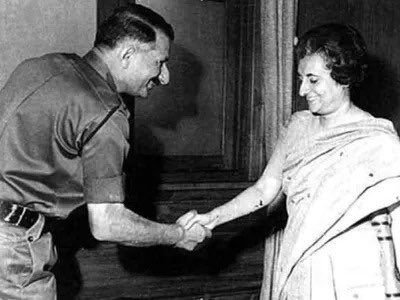
- Moral Imperative: India, under Prime Minister Indira Gandhi, felt compelled to act, both to alleviate the suffering and to stabilize its borders.
India’s Strategic Interests
- Weakening Pakistan: Supporting East Pakistan’s independence aligned with India’s long-term goal of countering Pakistan’s influence in the region.
- Regional Stability: The growing unrest threatened to destabilize South Asia, pushing India to intervene decisively.
Global Geopolitics
- Cold War Dynamics: The war unfolded against the backdrop of the Cold War, with India backed by the Soviet Union and Pakistan supported by the United States and China.
- International Tensions: These global alliances complicated the conflict, influencing the strategies of both India and Pakistan.
The War Unfolds
The war, though brief, was intense and marked by swift, decisive actions.
Outbreak of Hostilities
- Pakistan’s First Move: On December 3, 1971, Pakistan launched preemptive airstrikes on Indian airbases, sparking full-scale war.
- India’s Response: India retaliated with a multi-pronged offensive on both eastern and western fronts, coordinating closely with the Mukti Bahini, a Bengali guerrilla force fighting for independence.
India’s Military Dominance
- Naval Blockade: The Indian Navy effectively cut off East Pakistan by blockading its ports, crippling Pakistan’s supply lines.
- Air Superiority: The Indian Air Force conducted strategic bombing, weakening Pakistan’s military infrastructure.
- Ground Advances: In the east, Indian forces, alongside the Mukti Bahini, rapidly advanced, capturing key territories.
The Fall of Dhaka
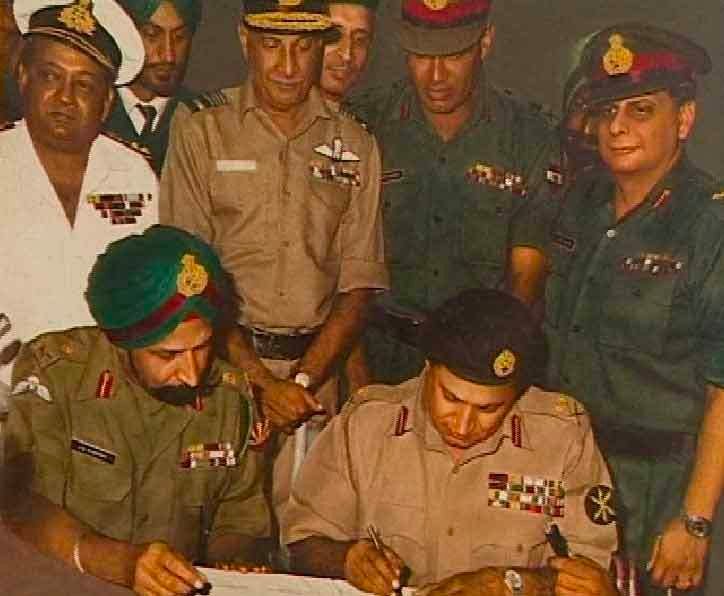
- Decisive Victory: The war reached its climax on December 16, 1971, when Pakistan’s forces in East Pakistan, led by Lieutenant General A.A.K. Niazi, surrendered in Dhaka.
- Birth of a Nation: This surrender marked the end of the war and the emergence of Bangladesh as an independent nation.
The Aftermath
The 1971 war left an indelible mark on South Asia, reshaping nations and relationships.
The Birth of Bangladesh
- A New Nation: The war’s most profound outcome was the creation of Bangladesh, fulfilling the aspirations of millions after years of struggle.
- A Costly Victory: The victory came at a heavy human cost, with countless lives lost and communities scarred by the violence.
Impact on India-Pakistan Relations
- Deepened Rivalry: Pakistan’s defeat and the loss of East Pakistan intensified the enmity between India and Pakistan, shaping decades of tense relations.
- India’s Rise: The victory solidified India’s position as a dominant regional power.
Geopolitical Shifts
- Global Realignment: The war forced the U.S. and China to reassess their South Asian policies after Pakistan’s defeat.
- Strengthened Ties: India’s alignment with the Soviet Union grew stronger, influencing regional dynamics for years to come.
Lessons from 1971
The 1971 India-Pakistan War was a pivotal chapter in South Asian history, highlighting the power of collective resistance and the consequences of ignoring cultural and political aspirations. It reminds us of the importance of addressing grievances within nations and the human cost of conflict. As we reflect on this war, we honor the resilience of those who fought for freedom and the enduring legacy of a struggle that reshaped a region.
Read this news article
South Africa won world test championship
https://thenewspoint.in/sa-beat-aus-world-test -championship-final-2025-icc/
India win 2nd test match in Edgbaston
https://thenewspoint.in/ind-vs-englandindias -biggest-overseas-victory/
The first look of Ramayana has been realised
https://thenewspoint.in/the-first-look-of -ramayana-has-been-released/
Who is Dalai Lama
https://thenewspoint.in/who-is-the-dalai-lama -and-why-is-there-a-dispute/
Thailand pm suspended after leaked call
https://thenewspoint.in/thailand-pm -shinawatra-suspended-after-leaked-call/