LIVER HEALTH CARE
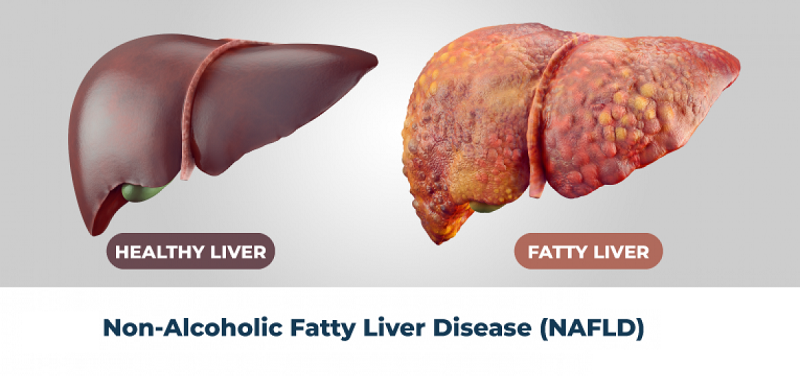
Due to wrong lifestyle and eating habits, the risk of metabolic dysfunction-associated steatotic liver disease is increasing rapidly in people. This can be avoided by taking some precautions.
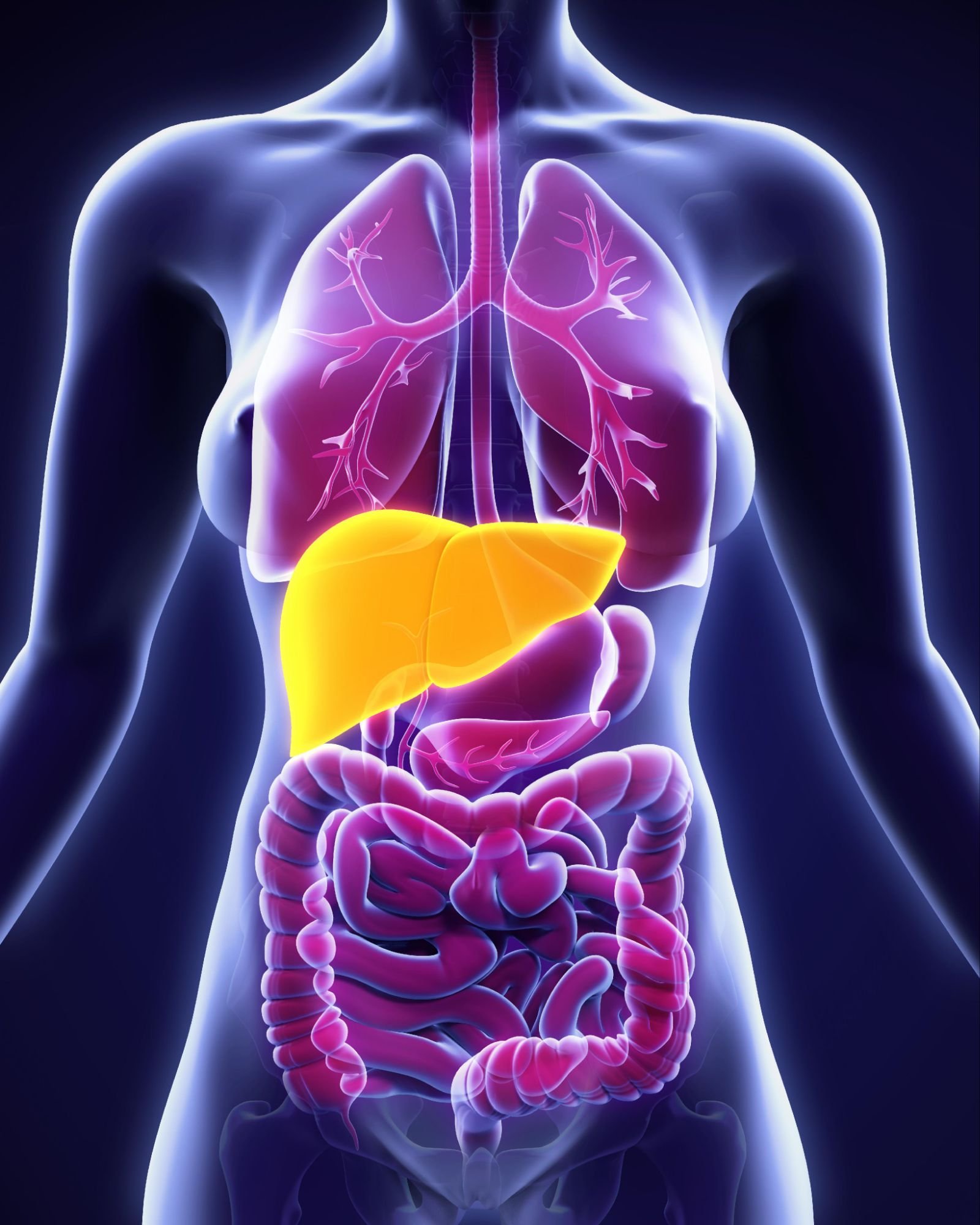
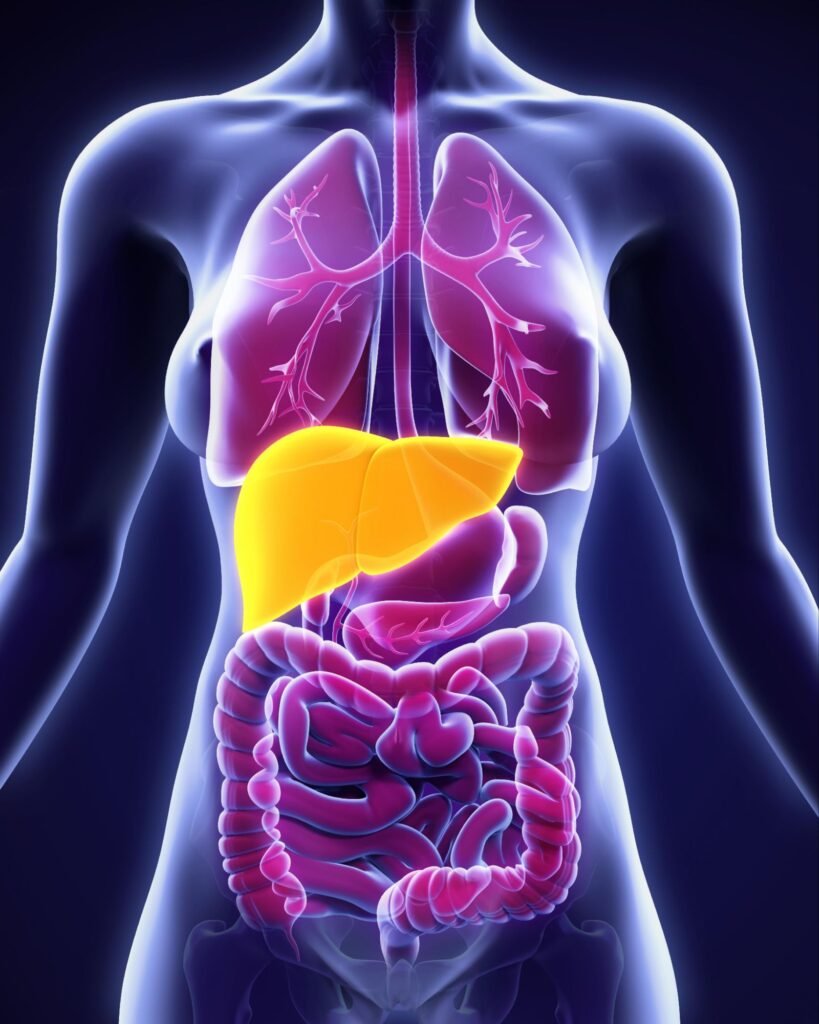
Liver is an important part of our body. It mainly works to clean the blood. Along with this, it produces bile. Bile helps in digesting the fat present in whatever we eat.
Liver disease was earlier considered
Generally, there is a possibility of liver damage due to intoxication, but today due to sedentary lifestyle, wrong eating habits such as excessive consumption of fried and heavily spiced foods, consumption of processed food, lack of essential nutrients in food or eating at inappropriate times, the risk of metabolic dysfunction-associated steatotic liver disease i.e. (MASLD) is increasing rapidly in people.
Its risk is higher in people suffering from obesity, type 2 diabetes or metabolic syndrome. Metabolic syndrome is a group of risk factors that include high blood pressure, high blood sugar, unhealthy cholesterol levels, and excess fat accumulation around the abdomen. MASLD can affect people of all ages. Metabolic dysfunction-associated steatotic fatty liver disease, formerly known as alcoholic fatty liver disease, is a condition in which excessive amounts of fat accumulate inside the liver.
The disease is associated with insulin resistance, dyslipidemia (abnormal levels of fat or cholesterol in the blood), and metabolic dysfunction. If fat, especially triglycerides (a type of lipid found in the blood), continue to accumulate in liver cells, the liver may become more prone to inflammation and damage. If the disease progresses, it can develop into metabolic dysfunction-associated steatohepatitis.
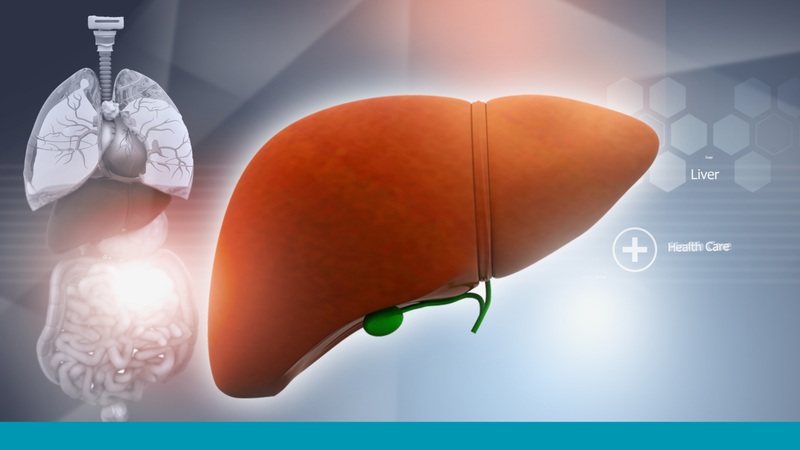
If left uncontrolled, it can lead to liver fibrosis. In such a situation, the blood flow to the liver also decreases and then it does not function properly. If liver fibrosis is not treated, then cirrhosis can occur. When cirrhosis occurs, the liver is permanently damaged and cannot be cured. After this, in some cases the risk of liver cancer also increases. In such a situation, liver transplant is the only treatment. Although MASLD is a serious condition, it can be treated by identifying it in the early stages and proper control. This can improve the patient’s quality of life.
Ultrasound is used to detect fat in the liver. If ultrasound shows fatty liver, then non-invasive tests (NIT) should be done to assess fibrosis. These include Fibroscan, Shear Wave Elastography, MR Elastography. Simple blood-based NITs include FIB4 and Fibrotest. The drug commonly used to treat advanced fibrosis has been approved by the US FDA for the treatment of MASLD. To prevent this disease, do moderate intensity exercise (brisk walking, cycling on land, swimming, playing tennis, dosing) or yoga for at least 45 minutes daily. People who work sitting for long hours should make some positive changes in their lifestyle.
Non-exercise activity can make the body sweat without exercising, like moving your hands and legs while sitting on a chair. Whether you are at home or in the office, use the stairs to go up and down, it is more beneficial. This helps in controlling weight, blood circulation remains good and the sugar level also remains balanced while working in the office. You can take a short walk in between.
Eat a balanced diet prepared at home instead of fried and heavily spicy foods. Avoid saturated fat and reduce the consumption of ghee and oil. Avoid carbohydrate intake-Limit sugar, soda, fruit juice based beverages, white bread, white rice and refined flour. Avoid carbonated cold drinks. Increase intake of fresh fruits and vegetables. Control high blood pressure, high blood sugar levels. Avoid alcohol consumption, it increases the risk of alcoholic fatty liver.
Effect of Alcohol on liver
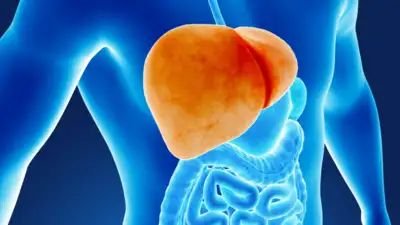
Effect on Liver : Most of the metabolism of alcohol takes place in the liver where it is finally metabolized within an hour.
(1) Alcohol is metabolized before fats in the liver. Hence, fats get stored in the liver. Due to the accumulation of fats due to continuous consumption of alcohol, liver cells burst and form cysts.
(2) In the liver, alcohol is converted into acetaldehyde. This is a highly toxic substance.
(3) Fat is formed from alcohol in the liver. Due to excess fat, the production of molecules and proteins is hindered. Along with this, the liver becomes a storehouse of fat instead of a metabolic centre.
(4) Excessive consumption of alcohol causes the most damage to the liver. This damage can be divided into three parts in increasing order-
(a) Alcohol Fatty Liver: This is the initial stage in which fat globules get deposited in the liver cells, if alcohol consumption is stopped then the fat globules dissolve and the liver becomes normal.
(b) Alcohol Hepatitis: Alcohol Hepatitis does not indicate any viral infection but is the next stage of liver damage. In this condition, pink structures get deposited in the cytoplasm of the liver cells. These result in formation of small clumps of blood which are called Mallory bodies or alcohol hyalin. These cause irreparable damage to the cells and necrosis as well as degenerative changes start in the liver.
(c) Alcoholic Cirrhosis: This is the most fatal condition of liver damage caused by alcohol consumption. In this condition, fatty tissue starts decaying in the liver and in its place inactive fibrous scar tissue is formed. Due to bleeding in the intestine, kidney failure and accumulation of fluid, the abdomen swells and finally the patient dies. Alcoholic cirrhosis is one of the 9 causes of death in the United States.
Read these articles
Mansoon health
https://thenewspoint.in/?p=3734
Galaxy Z fold 7
https://thenewspoint.in/gadget-review-galaxy-z-fold-7-unique-model-of-sam/
Captain Cool of chess
https://thenewspoint.in/the-one-and-only-first-world-fem6-champion-divya/
Mahatma Gandhi
https://thenewspoint.in/about-mahatma-gandhi-father-of-nation1869/
What is cinema really ?