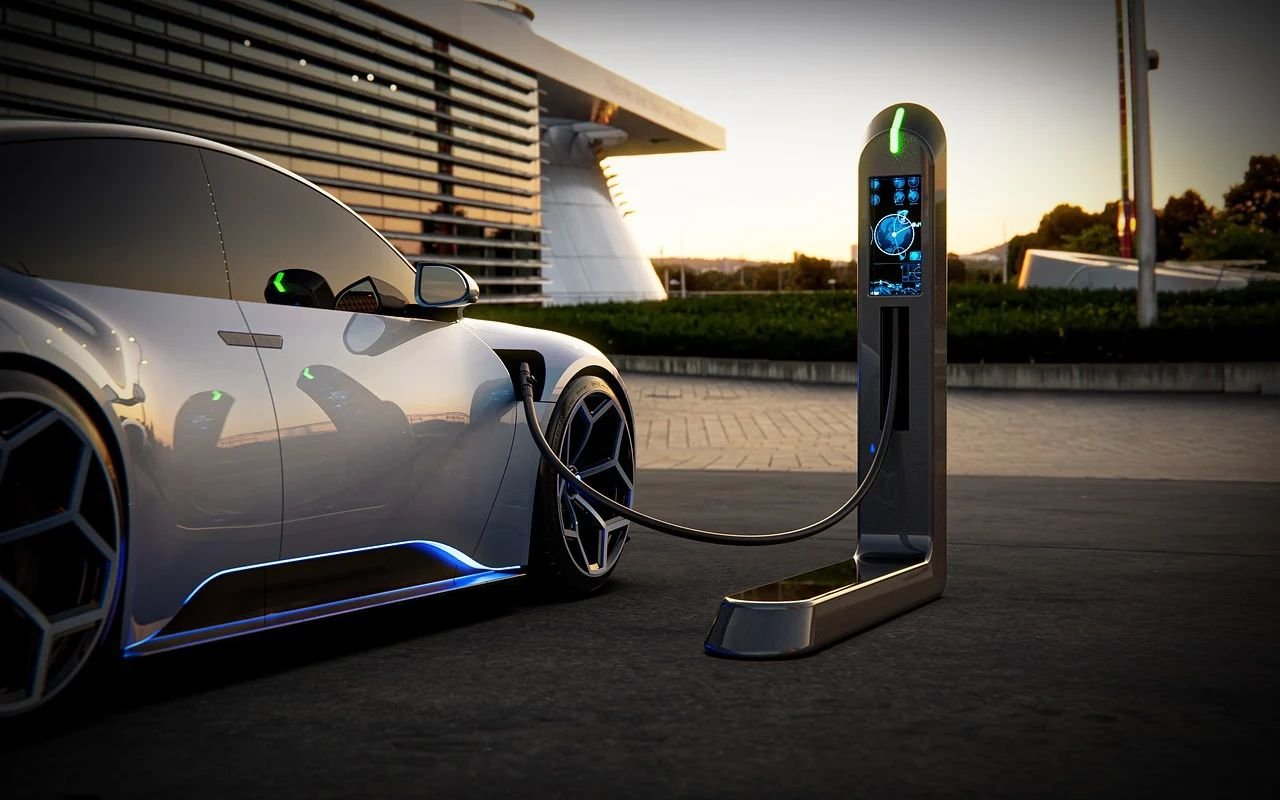
What is an electric vehicle?
*Introduction:-
An electric vehicle (EV) is a car that runs on electricity instead of gasoline or diesel.
A large battery powers electric vehicles, or EVs. Similar to charging your phone, you plug them into a charger. The motor that propels the vehicle is powered by the battery. There are no loud engine noises, so they are quiet! They are good for the air because they don’t produce smoke. After a single charge, most can travel 100–250 miles. You can go farther without stopping thanks to improved new batteries.
How Electric Vehicles work:-
Large batteries are used to store power in EVs. The motor, which turns the wheels, is powered by electricity when the battery is charged. Regenerative braking, which saves energy when you slow down, is another feature of some EVs.
Types of Electric Vehicles:-
Not Electric car are the same
1. Full Electric Cars (BEVs)
These vehicles are powered solely by electricity! Their battery is large. To charge them, you plug them in. Their tailpipe produces no pollution.
Example: The Tata Nexon EV.
2. Plug-in Hybrid Cars (PHEVs)
They’re a combination! They have a gasoline engine and an electric battery that you plug in. You can use electricity for short trips and gasoline for longer ones.
Example: Some luxury SUVs offer this option.
3. Hybrid Electric Cars (HEVs)
There is a combination of gasoline and electric power as well, but the most important thing is that you do not plug them in! As you drive, the car charges its own tiny battery. They contribute to fuel conservation.
Example: The Maruti Grand Vitara Hybrid.
Market for electric vehicle
The market for EVs is expanding quickly.Global sales of EVs increased from *10 million in 2022* to over 14 million in 2024. The market is volatile, with China leading the way in sales, followed by Europe and the United States. There was a slight slowdown in U.S. EV sales in April 2025, as they fell 5.6% from the year before. Growth is hampered in rural areas by high costs and few charging options. However, because of improved technology and less expensive batteries, experts estimate that by 2035, EVs will account for 50% of all automobile sales worldwide.
Advantages of Electric Vehicles
:-Cleaner for the Environment
Everyone benefits greatly from this. Since electric cars don’t have a tailpipe, they don’t release any dangerous gases into the atmosphere. As a result, we can breathe easier and combat climate change thanks to cleaner air in our cities. The environment benefits.
:-Lower Running Costs
Compared to gasoline, electricity is less expensive. Compared to gas car owners, EV owners in the US spend roughly 60% less on fuel annually. Additionally, EVs require less maintenance because they don’t require complicated engine repairs, brake repairs, or oil changes. Over time, this saves money.
:-Quiet and Smooth Driving
Electric vehicles are incredibly quiet. You can hear more of the road and less engine noise. Your drive becomes calmer and more enjoyable as a result. Additionally, they accelerate swiftly and smoothly.
:-Saves Your Money
One significant benefit? You save money! Generally speaking, electricity is less expensive than gasoline or diesel. Imagine a monthly “fuel” budget that is significantly lower. Additionally, because EVs have fewer engine components, they require less maintenance and fewer trips to the mechanic. No more changing the oil.
Disadvantages of Electric Vehicles
:-Limited Charging Infrastructure
Despite their growth, charging stations are still less prevalent than gas stations. It can be challenging to locate a charger in rural or developing nations. Although home charging is practical, not everyone has a garage or driveway.
:-Longer Charging Times
Lastly, charging time is still a challenge. Recharging an EV battery takes a lot longer than a quick stop at the gas pump, even with fast chargers. This can be inconvenient for drivers who are in a rush.
:-High Cost
Because of their costly battery technology, electric vehicles (EVs) are usually more expensive up front than gasoline-powered vehicles. Even with lower long-term operating and maintenance costs, many buyers may find this initial price to be a deterrent.
To lessen this burden, government subsidies, incentives, and battery leasing options are becoming available. It is anticipated that as battery manufacturing increases and technology develops, EV costs will drop, opening them up to a larger market.
:-Range Anxiety
Compared to many gas cars, most EVs can only go 200–300 miles on a single charge. Range can be further diminished by cold weather or heavy use (such as air conditioning). People are concerned about power outages, particularly when traveling long distances.
:-Battery Production
Impact: Lithium, cobalt, and energy are used extensively in the production of EV batteries. According to some studies, this produces roughly 70% more emissions than manufacturing gas-powered vehicles. Local communities and the environment may suffer as a result of mining these materials.
Future of Electric Vehicles
Electric vehicles (EVs) appear to have a promising and exciting future! Because of increased competition and cheaper batteries, EVs will soon be as inexpensive as conventional gas-powered vehicles. Better batteries will be available by 2027, and new models will travel farther than before—some more than 500 miles on a single charge. With new stations that can charge your car in just five minutes, charging will also become much faster. Additionally under testing are self-driving electric vehicles, which have the potential to fundamentally alter how we use automobiles. Many governments are assisting in this shift by aiming to halt the sale of gas-powered vehicles within the next ten to fifteen years. These cars will also be even greener because they will be powered by more clean energy from the sun and wind.With all of these advancements, most drivers will start using EVs as their primary vehicle instead of just as an option. Future roads will be cleaner, quieter, and full of intelligent electric cars that benefit the environment and people.
Conclusion
An important step in the direction of a cleaner, greener world is the use of electric vehicles. They provide a quiet, comfortable ride, reduce pollution, and save fuel. With millions of EVs already on the road and more on the horizon, the market is expanding. However, significant obstacles include expensive prices, a shortage of chargers, and battery issues. EVs can overcome these obstacles with improved technology and government assistance. One drive at a time, people can contribute to the reduction of emissions and the creation of a sustainable future by opting for electric vehicles.Electric vehicles are the way of the future. EVs will eventually become the standard option for everyone as technology advances. They provide a quieter, more comfortable ride while also aiding in the fight against climate change. Electric vehicles will soon be the greatest option for drivers worldwide, not just a choice.
Read this news article
*know about Artificial intelligence
https://thenewspoint.in/artificial-intelligencea -new-era/
*iran-israel conflict Full details
https://thenewspoint.in/iran-israel-wara-simple -look-at-the-conflict/
*Pm Modi visit Cyprus pakistan-turkey tension
rise
https://thenewspoint.in/pm-lands-in-cyprus-as -turkey-pakistan-tension-rise/
*know about iot devices
https://thenewspoint.in/lot-smart-devices-in-2025 -cool-features-youll-want/